However, it is a laboratory study, not a clinical trial on living patients

Cardenas) Medical evaluation, lab ordering/interpretation, risk stratification, medication reconciliation, imaging pathways, and specialist referral coordination Functional medicine Systems biology for inflammation, insulin resistance, gut dysbiosis, micronutrient deficiencies, sleep disruption, and neuroimmune signaling Personal injury care Documentation, mechanism analysis, rehabilitation staging, return-to-function metrics, and legal/insurance communications Rehabilitation Progressive loading, sensorimotor training, endurance building, balance and proprioception, and functional integration Regenerative modalities Orthobiologics/HCT/Ps where appropriate under medical oversight, plus needleless regenerative tools (shockwave, PEMF, red light therapy) and peptides Allergy testing and immunotherapy Scratch testing workflows, safety protocols, subcutaneous (SCIT) and sublingual (SLIT) immunotherapy, and annual retesting under medical guidance Pelvic floor therapies HIFEM supramaximal contraction protocols, neuromuscular re-education, and integration with chiropractic pelvic-lumbar mechanics Patient education and clinical communication Clear reports of findings, structured options, expectation setting, home programs, lifestyle coaching, and outcome measurements This multidisciplinary setup is common in integrative or injury care clinics, with an MD providing medical direction alongside a chiropractor to ensure comprehensive, safe, and effective care
BPC/TB-15 protocols typically run 6-12 weeks depending on the severity of your condition and healing response
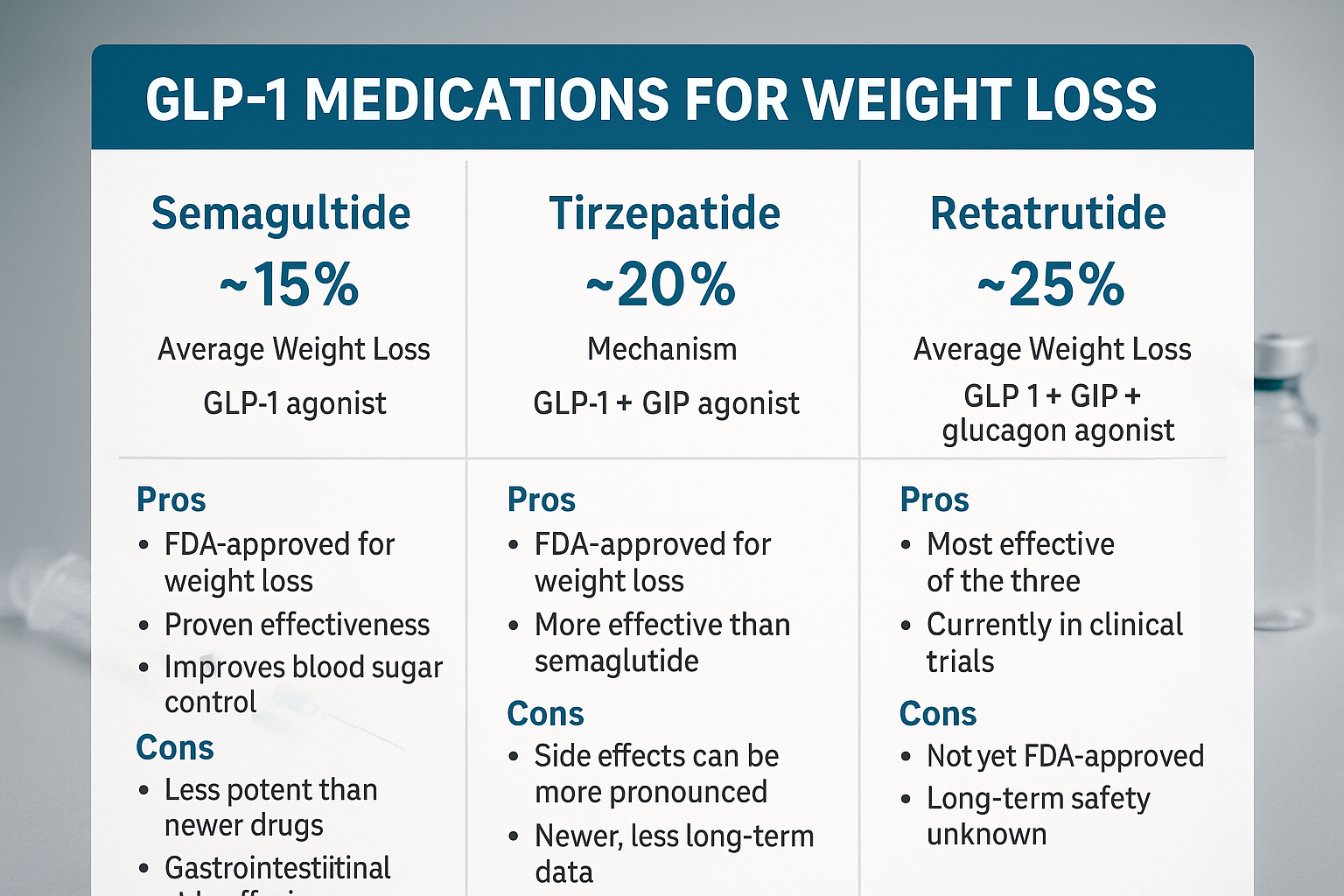
The results of cardiovascular outcome trials (CVOTs) in people with type 2 diabetes mellitus and increased cardiovascular risk have demonstrated a significant benefit in terms of reduction in time to first major adverse cardiovascular event (MACE) with the use of liraglutide, semaglutide, albiglutide and dulaglutide [15]